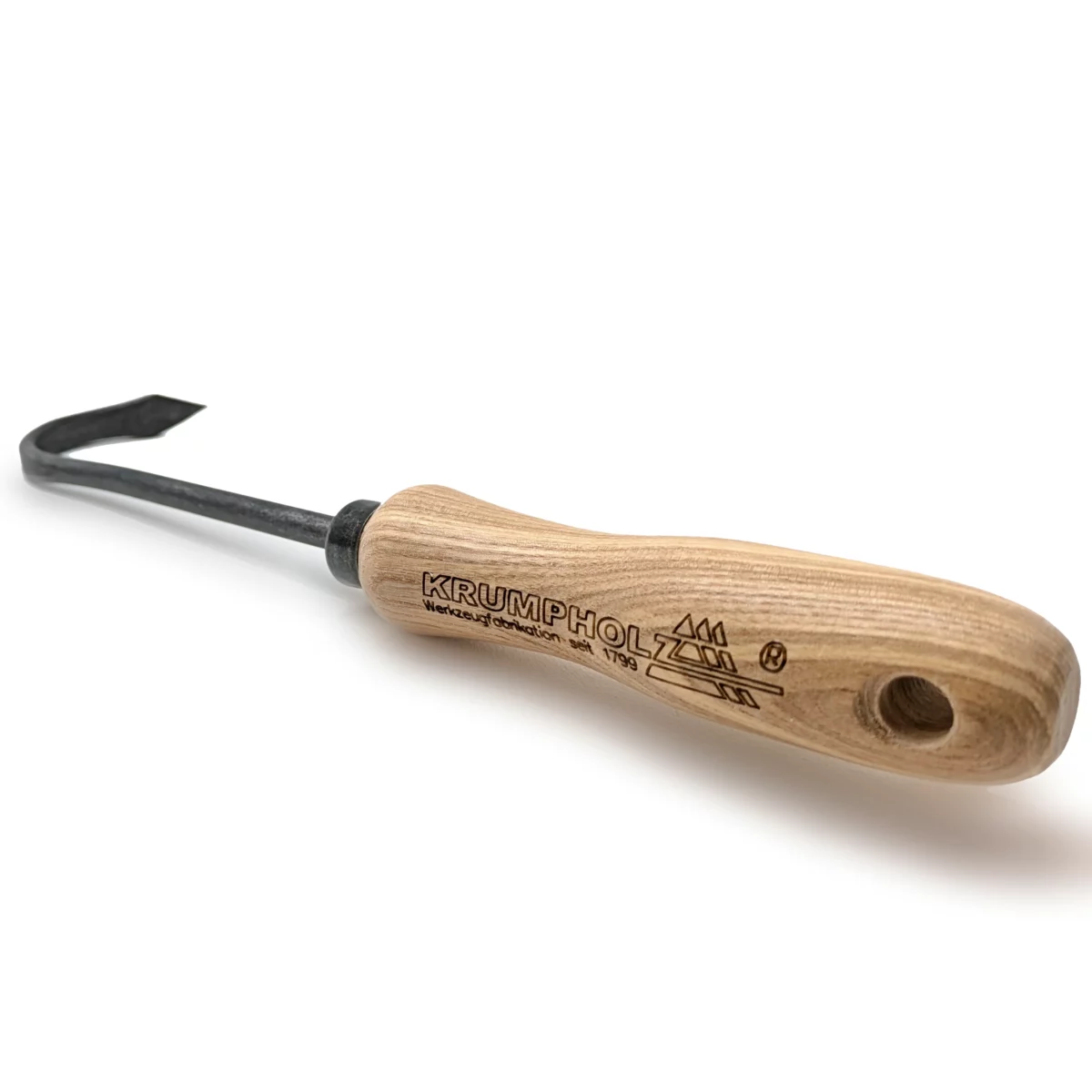
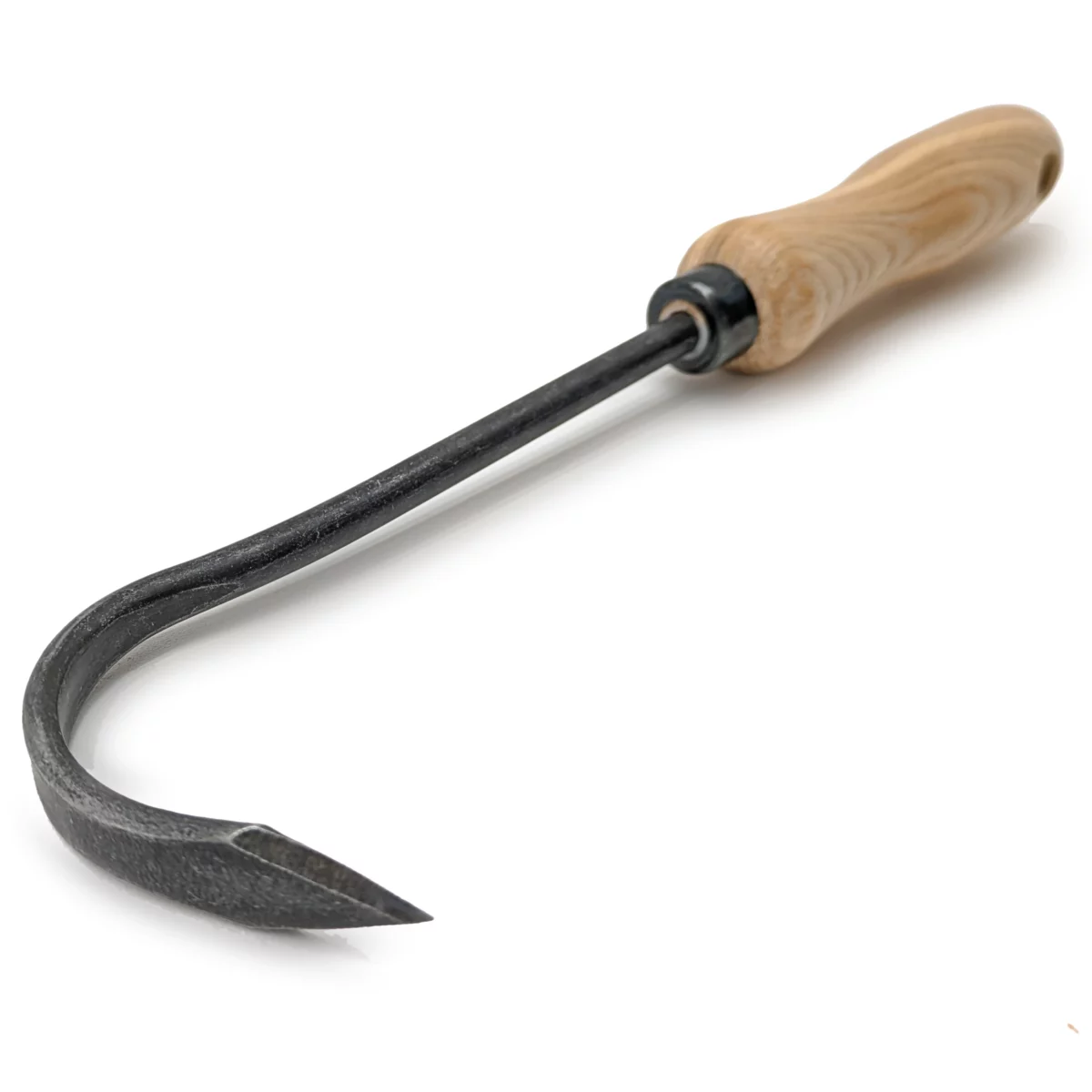
Forged splitting wedges and rotary splitting wedges, also known as wedges depending on the region, are used when the splitting axe or the splitting hammer are no longer sufficient to split the firewood.
Logged wood should always be stored split.
On the one hand, the longer it dries, the more difficult it is to split, and on the other, its calorific value is reduced as internal decay sets in.
If, on the other hand, the felled wood is processed as quickly as possible, the logs can dry better and the calorific value increases.
To split logs, there are several ways. As an alternative to the costly and space-intensive hydraulic log splitter, it is worthwhile to take a sporty grip on the splitting axe or splitting hammer.
However, some logs or types of wood are so knotty, twisted or hardened that these tools reach their limits.
This is where splitting wedges come into play.
Splitting wedges come in different shapes, sizes and designs. Their special design makes them particularly suitable for splitting hard wood and pieces by the meter.
The wedge surfaces are provided with grooves for better guidance.
To ensure that the wedge sticks better in the wood when it is applied, our splitting wedges are easy to apply with their sharp point and quickly find a good hold in the wood thanks to special notches.
These properties of the splitting wedges ensure that the firewood can be split into manageable and quick-drying logs with just a few strokes.
A special form of splitting wedges are the so-called rotary splitting wedges. Their special shape additionally helps to break apart the wood when splitting. Their twist efficiently transfers the force of the impact into the wood, as the splitting effect is increased by the wider wedge angle
Regardless of which model you end up using, the application of riving knives always follows the same principle:
Do not place the wedge too centrally on large slices of wood and make sure that it is aligned as parallel as possible to the direction of the grain.
Now you can drive it in with light taps until it is firmly seated.
The wedge is then driven into the wood until it breaks apart.
If the wedge disappears into the wood without the wood slice or the meter piece breaking, you should add a second wooden wedge until the wood splits.
If you want to counteract the risk of losing a wedge, you can apply a coating of signal color (e.g. red or neon yellow). Because how quickly it happens and a wedge is lost outside – especially if you use it in the forest. It will not necessarily make the wedge more beautiful, but it will make it more noticeable.